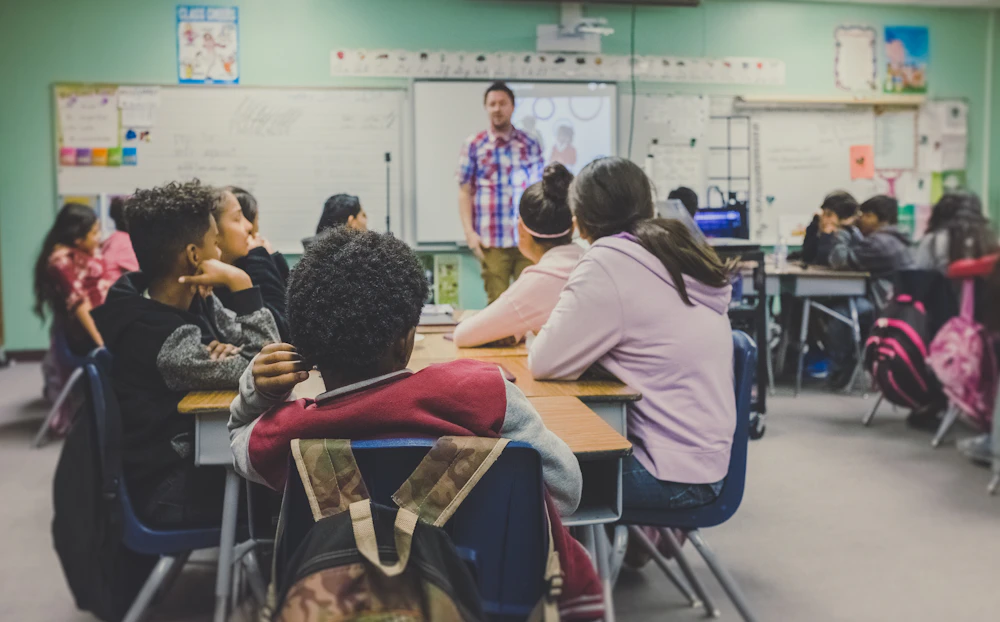
The Role of AI in Children’s Education: Opportunities, Challenges, and Best Practices
As artificial intelligence (AI) continues to reshape industries and aspects of daily life, its potential in children’s education is becoming a topic of significant interest. While AI can provide powerful tools for learning, its integration must be approached thoughtfully to maximize benefits and address concerns. Here, we explore how AI can transform education for children, the challenges it presents, and how parents can effectively guide its use.
Opportunities of AI in Children’s Education
AI offers several advantages for enriching children’s learning experiences:
-
Personalized Learning: AI tools, such as adaptive learning platforms, can tailor content to a child’s specific needs, strengths, and weaknesses. For example, if a student struggles with fractions, an AI-powered tutor can provide targeted practice and explanations, adjusting difficulty levels as they improve.
-
Interactive and Engaging Content: Multimodal AI systems like Google’s Gemini can incorporate text, images, and videos to create immersive and interactive lessons. These tools make learning more engaging, especially for visual or kinesthetic learners.
-
Access to Resources: AI bridges gaps in resource availability by offering tools like virtual tutors, accessible anytime, which can help students in underserved or remote areas.
-
Skill Development: Beyond traditional academics, AI can foster critical thinking, coding, and digital literacy skills. Tools like Scratch and AI-driven coding platforms enable children to develop problem-solving and computational thinking abilities from an early age.
Challenges and Concerns
Despite its promise, integrating AI into education raises valid concerns, particularly for parents:
-
Over-Reliance on AI: Some fear that children might use AI to complete assignments without understanding the concepts, undermining critical thinking and problem-solving skills.
-
Exposure to Inappropriate Content: Generative AI models occasionally produce unintended or unsuitable outputs. Without proper monitoring, this could expose children to inappropriate material.
-
Privacy and Data Security: AI platforms often require data to function effectively, raising concerns about how children’s information is collected, stored, and used.
-
Equity and Access: While AI holds promise for addressing disparities, unequal access to technology may exacerbate educational inequalities for families without reliable internet or devices.
Best Practices for Using AI in Education
To harness AI effectively, parents and educators need to take an active role:
-
Start with Parental Education: Before introducing AI tools to children, parents should familiarize themselves with available technologies. Learning to use tools like ChatGPT, Copilot, or Gemini helps parents guide children effectively.
-
Teach Responsible AI Use: Explain to children the role of AI as a support tool rather than a replacement for their efforts. For instance, instead of having AI write essays, children can use it to brainstorm ideas or refine their drafts.
-
Monitor and Restrict Usage: Parental control tools and clear usage guidelines can prevent misuse. Introducing AI tools in supervised settings ensures children’s safety and encourages productive use.
-
Encourage Problem-Solving: AI should guide children in developing solutions rather than providing direct answers. For example, tools like “Tutor Me” are designed to lead students through the thought process without outright solving problems.
-
Introduce AI at the Right Age: Experts recommend starting AI integration around grade seven when students have developed foundational skills and are better equipped to use AI responsibly.
-
Focus on Prompts: Teaching children how to craft effective prompts enables them to communicate clearly with AI tools, extracting meaningful and accurate responses.
Examples of AI Tools for Children’s Learning
-
ChatGPT: A versatile tool for brainstorming, refining ideas, and answering questions, provided its use is monitored to ensure accuracy and appropriateness.
-
Scratch: Ideal for introducing coding concepts through an interactive, child-friendly interface.
-
Tutor Me: A GPT-based model tailored for education, which guides students without directly providing answers.
-
Gemini: A multimodal model capable of creating dynamic, engaging learning materials.
Conclusion
AI in education holds transformative potential, offering personalized learning experiences, breaking barriers to access, and fostering critical skills for the future. This aligns closely with the mission of Using-AI.org to guide parents and educators in navigating these advancements, ensuring they harness AI as a tool to enrich and transform the educational journey responsibly. However, its successful integration requires mindful practices, active parental involvement, and safeguards to mitigate risks. By guiding children in using AI as a tool for growth and exploration, we can unlock its vast potential to enhance education while nurturing essential human skills. In future articles and through Living Guides, we will get into the details of how to use AI tools to support parents and children in their daily lives.